
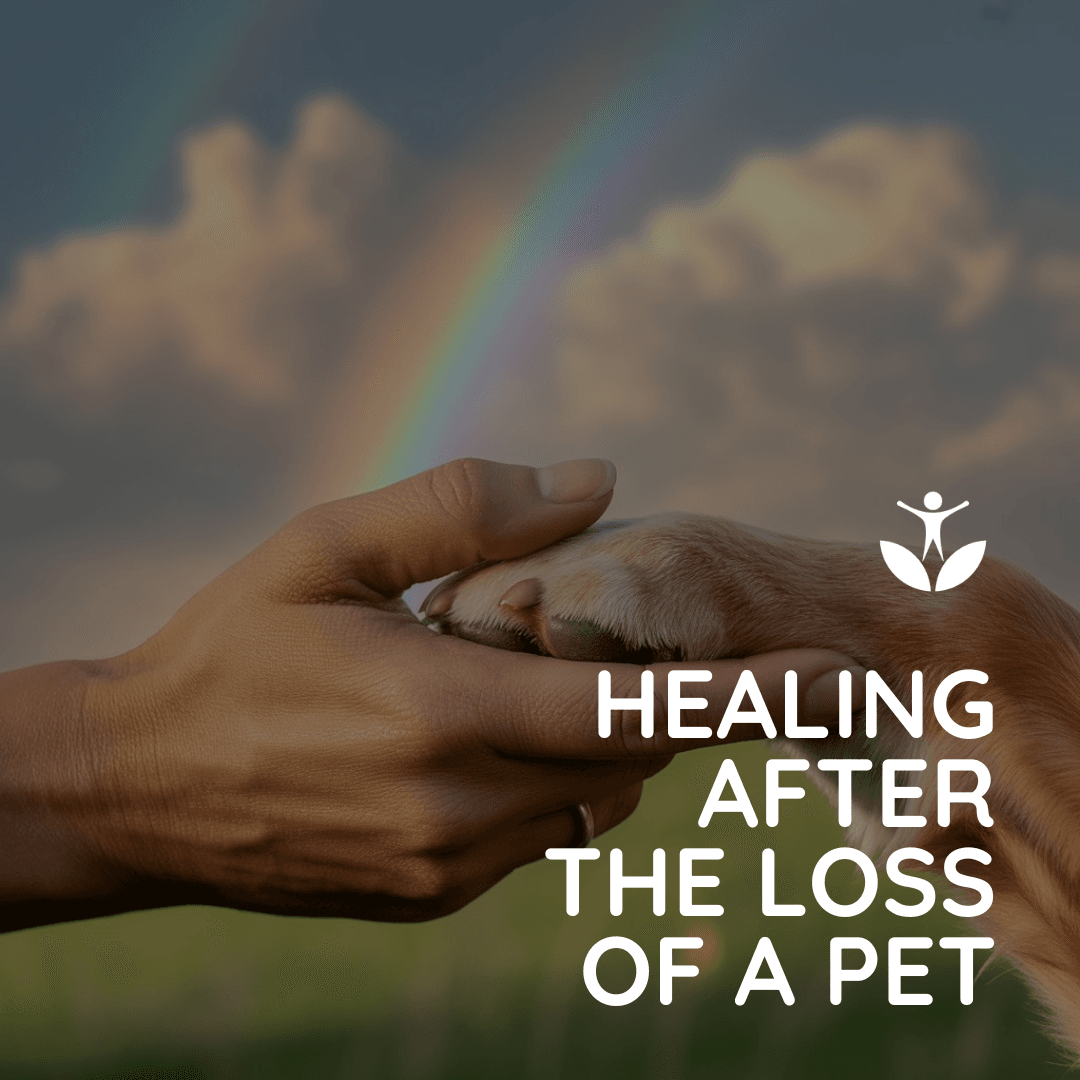
We cherish pets as members of our families and dealing with their loss can be a painful experience, often leaving a void in our lives. The grief surrounding pet loss is further complicated by the disenfranchised nature of the grief, feeling as though you cannot mourn your pet. The grief you experience after losing a pet is real and valid and though it may not be the same type of loss as others, it is still a loss to acknowledge and grieve. This article offers tips for coping with pet loss and insight into disenfranchised grief and how it may impact the grieving process of losing a pet.
Validate your emotions: Disenfranchised grief refers to grief that society does not fully acknowledge or validate, such as pet loss, where society may minimize your grief or fail to recognize it as a significant loss. While grieving the loss of a pet, you may experience a variety of emotions, such as sadness, loneliness, anger, guilt, and more. In addition, lack of validation around the grieving process can make these complex emotions even more challenging to process. In these moments, it is important to allow yourself to feel your emotions and validate your own experiences, especially when they are not being validated by others. Allow yourself time to process and heal from your loss at your own pace.
Connection: Grief can manifest in different ways after the loss of a pet, including missing the physical presence of your pet and having to adjust to changes in routine that accompany their loss. Community, such as a support group, can aid in coping with grief with others who are experiencing a similar type of loss as your own. Talking about your pet allows you to connect with their memory and continue bonds with them. Connecting with animals is helpful, just like connecting with people. The decision is personal, with no right or wrong answer. The timeline of these changes varies for everyone, and some may not feel ready to welcome another pet in their home, and that is okay. You can use the opportunity to transform your grief and focus your energy on creating new bonds in the way that feels right to you. New connections, whether they are with other humans or animals, allow you to keep the memory of your pet alive while opening yourself up to the possibility of new experiences, as long as you feel ready to do so.
Release Guilt: Guilt is a common emotion that many carry after losing a pet. It can manifest as questioning end-of-life decisions or dwelling on changes you could have made. Guilt is a powerful emotion, so it is important to acknowledge your emotions while also not allowing the guilt to consume you. Being gentle with yourself and working towards forgiveness is useful when encountering feelings of guilt. Reminding yourself that you did the best you could with the information you had. Celebrate the life you gave your pet and the memories you created together.
Commemorate: Commemoration during pet loss is a powerful tool for processing grief and celebrating the memory and bond you shared. By acknowledging their passing through rituals and memorials, you create space to begin the healing process. Creating a memorial, whether planting a tree in their honor, donating to an animal shelter in their name, or compiling a photo album, gives you a tangible way to connect with their memory. These rituals can serve as grounding points during difficult times, reminding you of the unconditional love and joy your pet provided.
Commemoration is not about dwelling on sadness, but about honoring the life they lived and the love they shared. It is a way to ensure their memory lives on within you and those who knew them, a testament to the unique and cherished place they held in your heart.
Ideas for Commemoration:
Memory Box: In this memory box, you can include pictures of your pet, their collar, or some of their favorite toys. Fill this box with things that remind you of your pet, perhaps in ways that bring you joy.
Memorial Garden: By creating a memory garden, you can plant flowers or dedicate a space in nature to your pet. You can visit this space when you want to feel connected to your pet and reflect on their memory.
Art Piece: Keep some sort of visual reminder of your pet. Some people find artists to commission an art piece of their pet. Others find connection through a jewelry piece that reminds them of their pet.
Gratitude Journal: Try creating a list of memories you are grateful for experiencing with your pet or how they added to your life. Another idea is to write a letter to your pet to honor their memory.
Overall, coping with pet loss is a deeply personal and individualized experience that requires acknowledging your emotions to process your grief. By validating your feelings, connecting with others who understand, releasing guilt, and creating rituals to commemorate your pet, you can begin the healing process.
WATCH OUR WEBINAR RECORDING: https://youtu.be/KyULvr_OHVM
The Children's Bereavement Center “CBC” is a 501(c)(3) nonprofit organization providing FREE grief support groups for all ages (4+). Lift From Loss® is a division of CBC providing support for young adults and adults. For additional resources and articles on a variety of subjects, visit our website at liftfromloss.org. To register for our free grief support groups, call us at (888) 988-5438 or e-mail support@childbereavement.org.